A Local's Guide to Rockpooling on UK Beaches: Tide Times, Kit and Etiquette
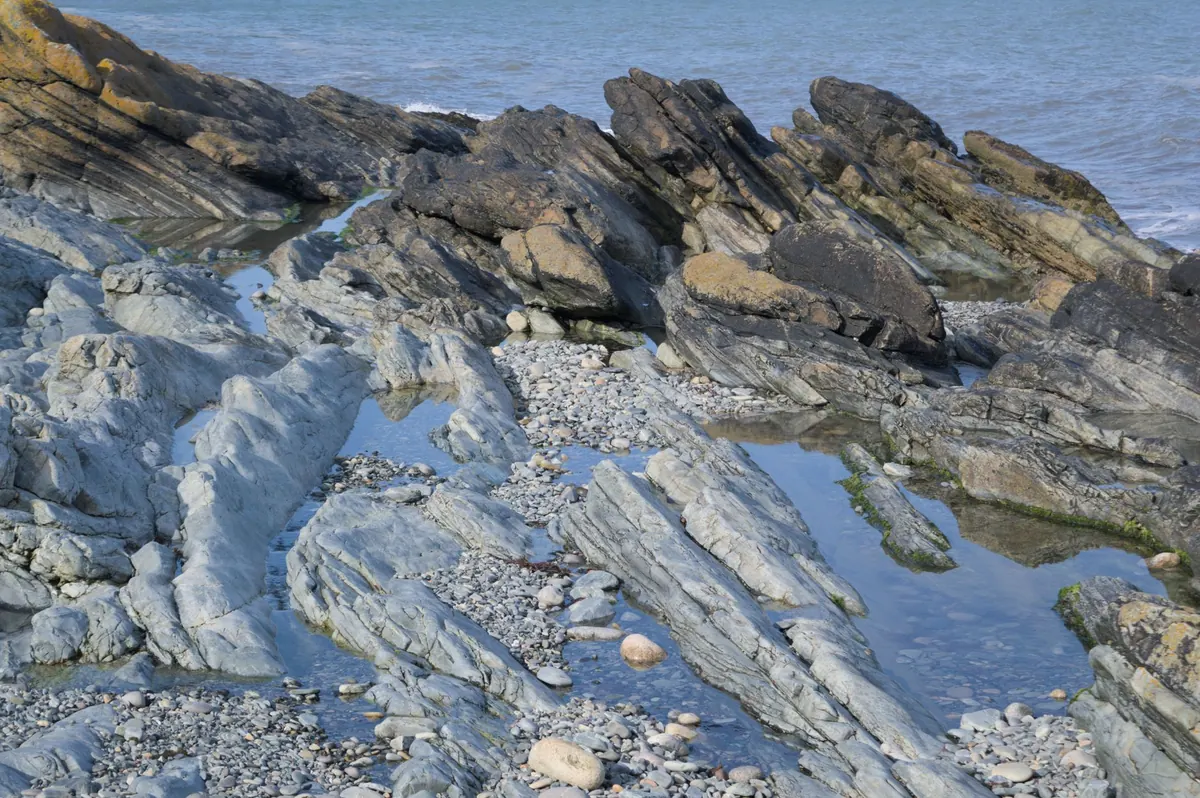
There is a moment on a falling tide when the water slides back off a ledge and the whole shore opens up: anemones like squashed raspberries, crabs the size of a thumbnail, weed that looks like pink coral. Rockpooling costs nothing, works for almost any age, and turns an ordinary beach walk into something closer to a treasure hunt.
It also goes wrong easily. People get caught out by a tide they didn't read, animals end up stressed in a bucket they shouldn't be in, and stones get left upside down. Ten minutes of preparation fixes all three. What follows is the version I would give a friend: the tide maths, the kit worth carrying, the habits that keep the shore in good nick, and a few things to actually look for.
Plan around the tide, not the clock
Tide tables are the plan, not the background reading. Predictions differ from beach to beach — the next bay along can be meaningfully out — so look up the exact place you are going rather than the nearest town. Harbour noticeboards, coastguard information and reputable tide apps all do the job. Check the night before and again on the morning, because wind pushes water around: a stiff onshore blow can hold the sea up by half an hour or more, while an offshore wind drains a bay early. Height matters as much as time. A 0.4m low is a very different shore from a 1.9m one, and the good rock only shows on the smaller numbers.
The sweet spot is the two hours either side of low water. Spring tides, arriving around the new and full moon, pull the sea further out than anything else in the month and expose rock that stays submerged the rest of the time. They are the best rockpooling of all, and they move the fastest.
In the first hour after low water the sea rises roughly a twelfth of the full tidal range; in the second hour two twelfths; in the third hour three. Half the water is back within three hours.
So the sea comes in slowly, then all at once. Work out your exit route before you start turning stones, and don't let a promising gully pull you around a headland — on plenty of shores the water arrives behind you first and cuts off the way you came. A group I once watched working a reef off a headland had a clear route out; another twenty metres further on, behind a spur, did not, and spent a damp ten minutes wading back round the long way.
If you are going alone, tell someone where you are and when you expect to be back; signal on remote stretches of coast is unreliable. If you ever see someone in trouble in the water, call 999 and ask for the coastguard rather than going in after them.
What to wear and what to carry
Wet rock with a film of weed is genuinely treacherous, and the difference between a good afternoon and a soaking is footwear.
- Boots or wellingtons with a proper tread. Old walking shoes work well. Flip-flops and smooth soles are an accident waiting to happen.
- Warm layers and a windproof, even in July — the shore is always cooler than the car park.
- Sun cream and a hat. Light bouncing off water burns the back of your neck.
- A clear plastic tub or a white tray. Small creatures show up beautifully against white, and you can look without picking anything up.
- A magnifier or hand lens, which is a couple of pounds very well spent.
- A small torch for peering under overhangs and into the shaded back of a pool.
- A phone in a waterproof pouch, with the tide times saved.
- Water, a snack, and a few plasters.
- A towel and spare socks, for obvious reasons.
- A simple identification guide, or an app downloaded before you lose signal.
Leave the bucket and the crowbar at home. Buckets warm up quickly, jumble animals together and rarely get emptied properly; a clear tub that goes back into the pool every few minutes is far kinder. Crowbars and heavy levers break rock and shift boulders onto fingers.
A short code for the wildlife
Everything in a rockpool is somebody's living room. These eight habits cover almost everything that matters.
- Look first. If you do need to handle something, wet your hands — dry skin strips the protective mucus from fish and anemones.
- Turn stones gently and put them back the same way up. The dark underside is a different habitat from the sunlit top, and flipping it over evicts most of what lives there.
- Don't prise limpets off rocks. They clamp down hard and it can injure them.
- Keep anything you have lifted in water and shade, for minutes rather than hours, then return it exactly where it came from.
- Take nothing home, including empty shells — hermit crabs need those.
- Leave seaweed attached to its rock rather than pulling it free.
- Give birds and seals space, and keep dogs away from both.
- Carry your litter off the beach, and pick up a piece that isn't yours if you pass it.
What you might actually find
The best light for spotting things is overcast, or early in the morning before the sun gets high — glare on the water hides almost everything. Look in the shaded back of pools, under the lip of overhangs, along the base of weed fronds, and in the thin layer of sand at the bottom of a pool, where flatfish and gobies sit half-buried.
- Anemones. Beadlet anemones look like dark red blobs when the tide is out; give them a few minutes in water and the tentacles unfurl. The green snakelocks anemone of the south-west has purple-tipped tentacles that sting — admire it, don't stroke it.
- Crabs. Shore crabs, edible crabs, hermit crabs in borrowed whelk shells, and the velvet swimming crab, which is faster and far more argumentative than it looks.
- Small fish. Blennies and gobies dart for cover the moment your shadow crosses the pool. Sit still for a minute and they come back out.
- Snails and limpets. Periwinkles, topshells, chitons and dog whelks, whose yellow egg capsules look like grains of rice stuck to rock.
- Prawns and shrimps, best seen in weedy pools with a torch held at an angle.
- Seaweed. Coralline weed is the pink crust that looks like coral; oarweed, dabberlocks and sea lettuce are the usual green and brown suspects.
On a big spring low you occasionally get the prizes: nudibranchs, sea hares, brittlestars, urchins in the deeper gullies, and cuttlefish eggs hanging in black clusters like grapes.
The hazards the tide talk doesn't cover
Slipping is the main one, but not the only one. Barnacle-encrusted rock cuts like sandpaper, so a small first-aid kit earns its place. Weever fish bury in wet sand and their spine is genuinely painful; shuffle your feet rather than padding barefoot, and seek lifeguard or medical advice if someone is stung. Jellyfish washed into pools can still sting, so keep hands off. And after heavy rain, check local water-quality information before getting in — some beaches have real discharge problems after storms.
Children need a rule or two of their own: stay within sight, never go deeper than wellington height, don't walk out onto wet sand at the edge of a dropping tide, and be the one who carries the tub, not the one who wanders off with it. Cold ends more trips than boredom does, so keep the spare socks handy and call it a day while everyone is still happy.
Etiquette on a busy shore
Rockpooling is a shared activity, and small courtesies go a long way. Don't block slipways or lifeboat access with bags and children. Give other groups room to work a pool rather than crowding in. Keep voices down near someone fishing. On beaches where dogs are asked to be kept on leads, keep them on leads — a seal or a roosting bird does not need the attention.
Respect local rules, too. In Marine Conservation Zones, Sites of Special Scientific Interest and no-take areas, the answer to "can I take this home?" is simply no. And if you find something remarkable, photograph it, note roughly where you were, and report it — records from ordinary people on ordinary beaches are genuinely useful to the people studying what lives there.
Photo: Jakub / Pexels