Common Mistakes When Styling a Coastal Living Room (and How to Fix Them)
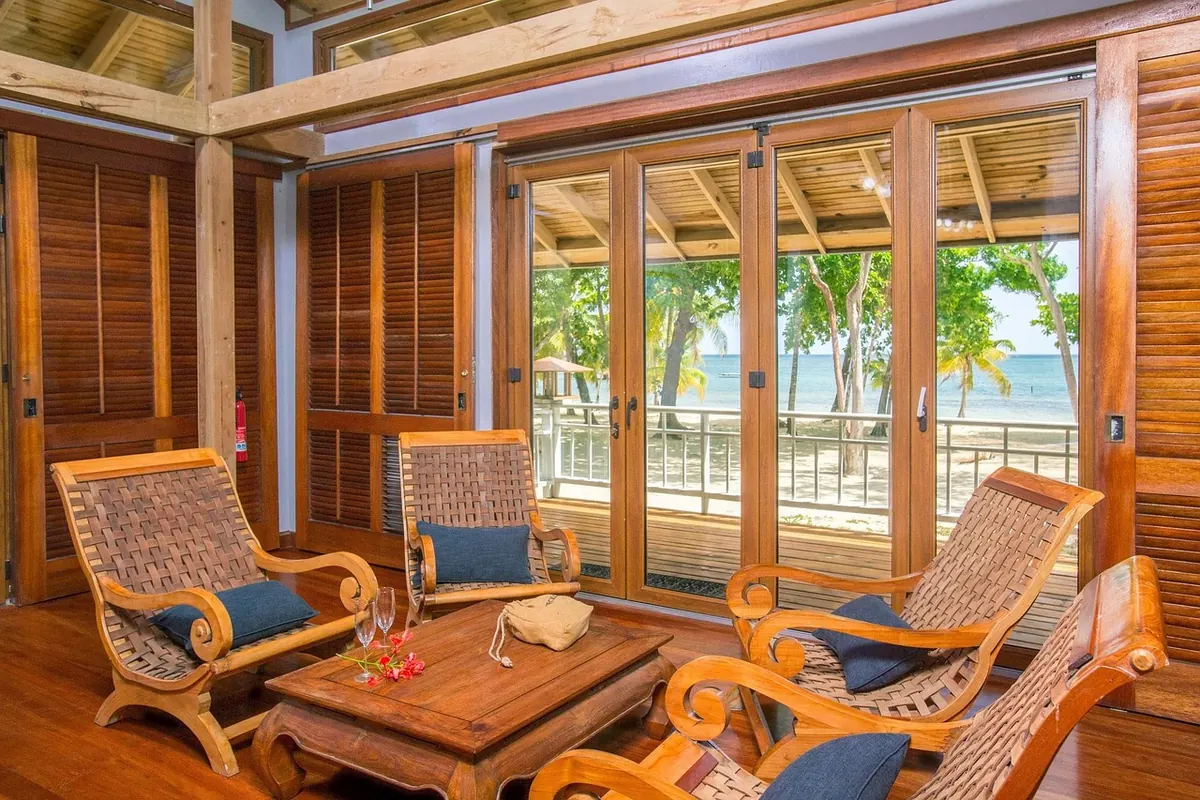
Coastal decorating has a reputation problem. Done well, it is one of the most restful looks you can give a room: soft neutrals, natural textures, a little blue, and light that shifts across the walls as the day goes on. Done badly, it turns into a themed gift shop — a ship's wheel above the sofa, a fishing net in the corner, three shades of turquoise arguing with each other. The gap between those two rooms is rarely about budget. It usually comes down to a handful of decisions made in the wrong order.
Mistake one: starting with the theme instead of the feeling
Most coastal rooms that feel slightly wrong were styled from a shopping list rather than a mood. The instinct is to buy coastal things — anchors, lighthouses, model boats, rope — and distribute them evenly around the space. The result is busy and a bit theatrical, and it dates fast.
Ask a different question first. What actually makes a coastal room calm? Usually it is space, light, natural materials and a restrained palette. The seaside reference should be a whisper, not a shout. If you could swap the view outside for a city street and the room still worked, you have probably got the balance right.
A better starting point
Choose two or three neutrals — chalky white, warm sand, soft grey — and allow yourself one accent drawn from the coast you actually visit. A muted navy, a weathered grey-green, a faded denim blue. If you want more depth, add a second neutral rather than a second colour. Paint the walls in the lightest shade, use the mid-tone on larger furniture and keep the accent for cushions, artwork and lampshades.
Mistake two: too many nautical props
One anchor is charming. Six is a museum. The fix is not to remove everything personal, but to edit hard and then step back. A useful rule: keep one proper nautical piece per room, and let the rest of the coastal feeling come from texture, colour and light.
- Retire anything that cannot be sat on, eaten off, read or used — decorative rope coils, miniature lighthouses, novelty signs.
- Swap cheap printed beach scenes for one larger piece: a framed map of your local coastline, or a photograph you took yourself.
- Replace plastic shellfish with real finds. A single bowl of shells, pebbles or sea-glass on a coffee table does more than a shelf of ornaments.
- If you love blue-and-white stripes, use them once — cushions or a rug, not both at scale.
Mistake three: lighting that is cold, harsh or all from above
Blue and grey walls need warmth to stop a room feeling chilly after dark. Cool-white bulbs and a single overhead fitting are the fastest way to make a beautifully decorated coastal room feel clinical. Aim for warm white bulbs, add dimmers wherever you can, and put a lamp on in the evening instead of the ceiling light.
Lighting in three layers works in almost any room:
- Ambient: a ceiling fitting or floor lamp for general light, ideally on a dimmer.
- Task: a reading lamp beside the sofa or armchair, angled where you actually sit.
- Accent: a small lamp on a console or shelf, or a string of warm lights along a bookcase, to add depth and shadows.
Choose shades in linen, rattan or paper — anything that diffuses light rather than firing it at the ceiling. Bare bulbs and polished metal shades throw light around harshly and rarely flatter.
Mistake four: pushing every piece of furniture against the walls
A room can be big and still feel awkward if the seating is spaced along the edges like a waiting area. Coastal living rooms are usually the ones with a view, a fireplace or a set of French doors to work around, and that shapes the layout more than the walls do.
Try pulling the sofa forward and anchoring it on a rug, with two chairs opposite or at an angle. Keep the gap between sofa and coffee table roughly an arm's length — close enough to reach a mug without leaning, far enough for legs. Leave a generous walking route behind the seating, about the width of a doorway, so the room does not feel blocked. If the space is narrow, a slim console behind the sofa gives you somewhere to put a lamp and keeps the arrangement from drifting back to the wall.
Mistake five: flat texture and shy scale
Smooth linen sofa, smooth linen cushions, smooth painted walls: technically coastal, but visually flat. Textures are what stop a pale room from looking like a showroom. Layer a jute or woven rug underfoot, add a chunky wool throw, a rattan side table, a ceramic bowl, a piece of weathered timber, a basket for firewood or blankets. Three or four contrasting surfaces in one room is usually enough.
Scale matters too. Artwork hung high and small makes walls look taller and emptier than they are. Hang pieces so the centre sits roughly at eye level, and choose one generous piece over four timid ones. The same applies to lamps, rugs and cushions: slightly oversized nearly always looks more considered than slightly undersized.
Mistake six: styling for the photograph, not the day
Coastal rooms have to cope with wet swimmers, sandy feet, dogs, salt air and windows that are actually opened. Anything precious on the floor is a mistake. Choose washable or removable covers, avoid pale silk and delicate piles, and keep a lidded basket near the door for towels and beach gear. Rattan, seagrass, cotton, wool and painted timber all wear well and improve with a bit of age.
A quick fix list for a calmer coastal room
- Cut the props by half and keep one genuine nautical piece.
- Limit yourself to three neutrals and one accent colour.
- Switch to warm white bulbs and add a dimmer.
- Pull the sofa off the wall and anchor it on a rug.
- Add at least three contrasting textures.
- Hang artwork lower and larger.
- Make every surface wipeable or washable.
Work through them in that order and you will feel the room settle. Coastal style is at its best when it looks less like a theme and more like a house near the sea that someone actually lives in — comfortable, light, a bit worn in the right places, and easy to keep that way.
Photo: Annamos / Pixabay